K-12 Content in India: Complete Guide for Modern Schools
Discover how modern K-12 content in India improves teaching quality, tracks student progress, and aligns with CBSE/ICSE boards through integrated LMS.
Discover how modern K-12 content in India improves teaching quality, tracks student progress, and aligns with CBSE/ICSE boards through integrated LMS.
K-12 content in India is no longer just about digital lessons or curriculum PDFs. It has become a complete learning system that helps schools improve teaching quality, track student progress, and deliver more consistent outcomes across every grade. As schools face growing expectations from parents, teachers, and management, the need for connected, tech-enabled, and curriculum-aligned content has become more important than ever. Today, parents want more than marks on a report card. They want proof that their child is learning well, staying engaged, and developing the skills needed for the future. Schools, on the other hand, need learning solutions that are easy to use, aligned with board requirements, and flexible enough to work across classrooms, devices, and learning styles. This is where modern K-12 content plays a major role.
In 2026, K-12 education is being shaped by digital expectations, personalized learning, and outcome-based teaching. Schools cannot rely only on traditional textbooks and classroom lectures if they want to stay competitive and future-ready. Parents now expect digital access, transparent progress tracking, and stronger learning support for their children.
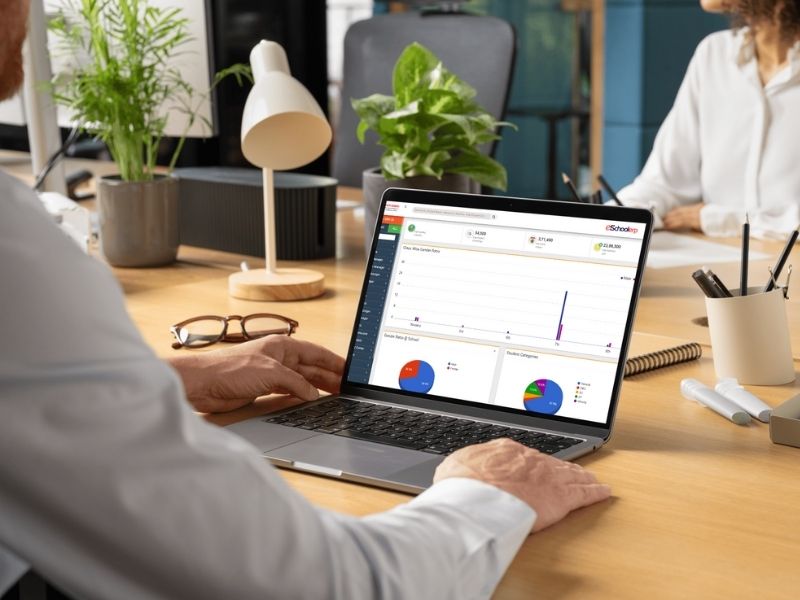
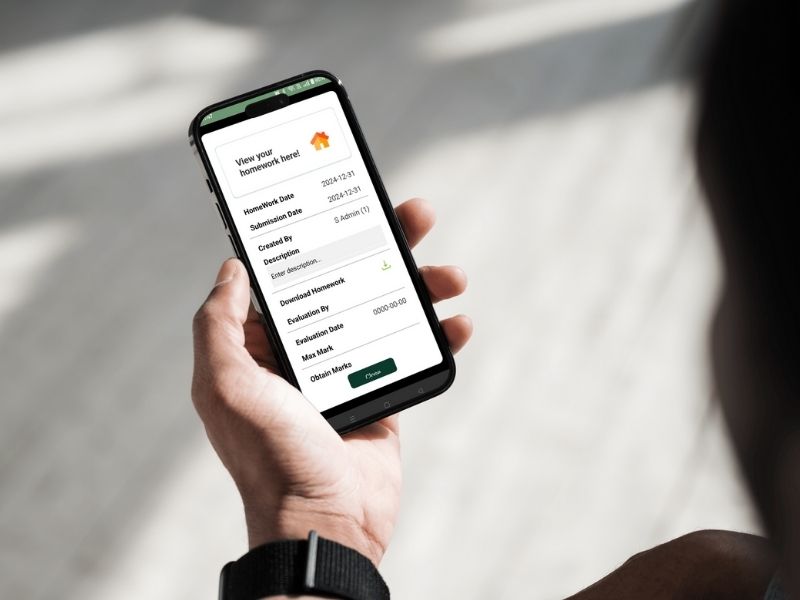
K-12 content matters because it helps schools solve several real challenges at once. It improves classroom engagement, supports teachers with ready-to-use resources, and gives administrators better visibility into academic performance. When content is delivered through an integrated platform, it becomes easier to manage learning at scale.
Features like adaptive learning, gamified learning, STEM education, and virtual classroom content can make the learning experience more interactive and effective. Social-emotional learning also adds value by helping students build focus, confidence, empathy, and resilience, which are just as important as academic performance.
Choosing the right K-12 content provider is not just about selecting content. It is about choosing a complete academic ecosystem that supports long-term growth. Schools should carefully evaluate the following features before making a decision:
When these features are available in one solution, schools can reduce complexity and improve adoption across the institution.
Schools should not choose a K-12 content provider based only on brochures or sales presentations. The right decision should be based on daily usability, academic fit, and implementation support. One of the first things to check is whether the content aligns properly with the curriculum your school follows.
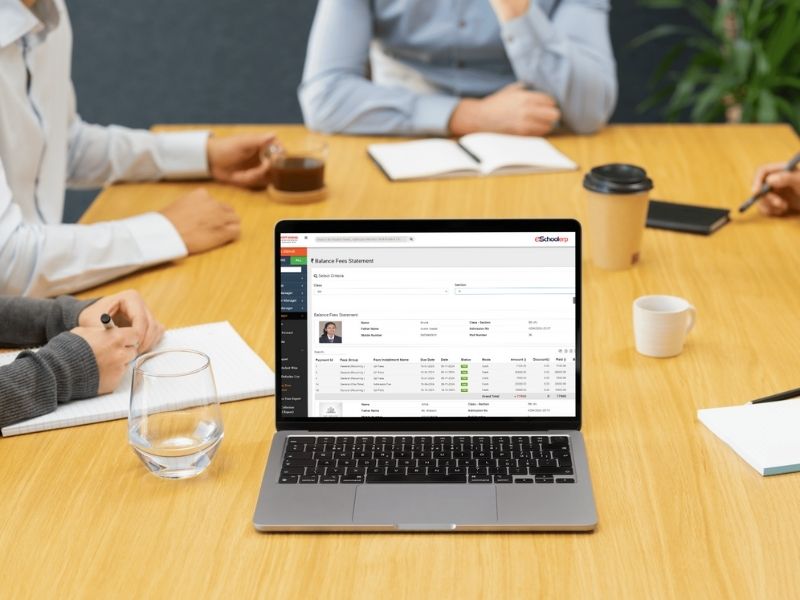
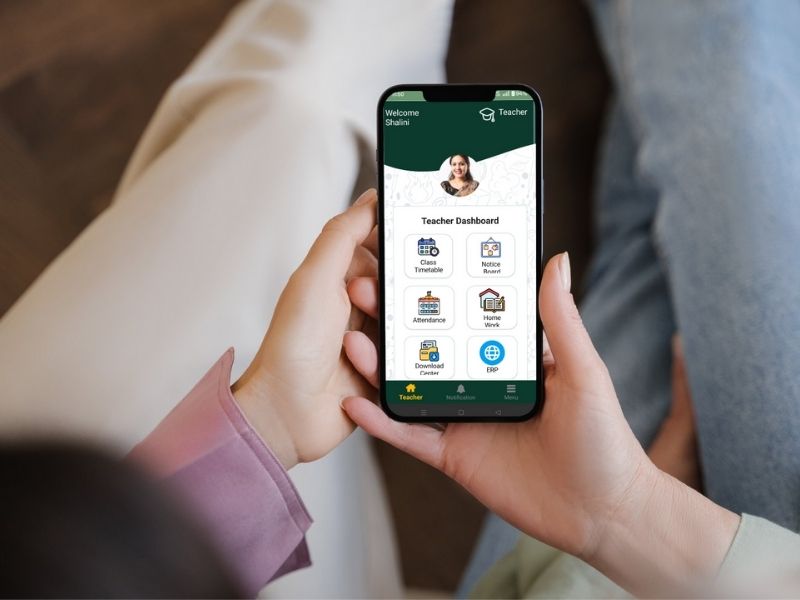
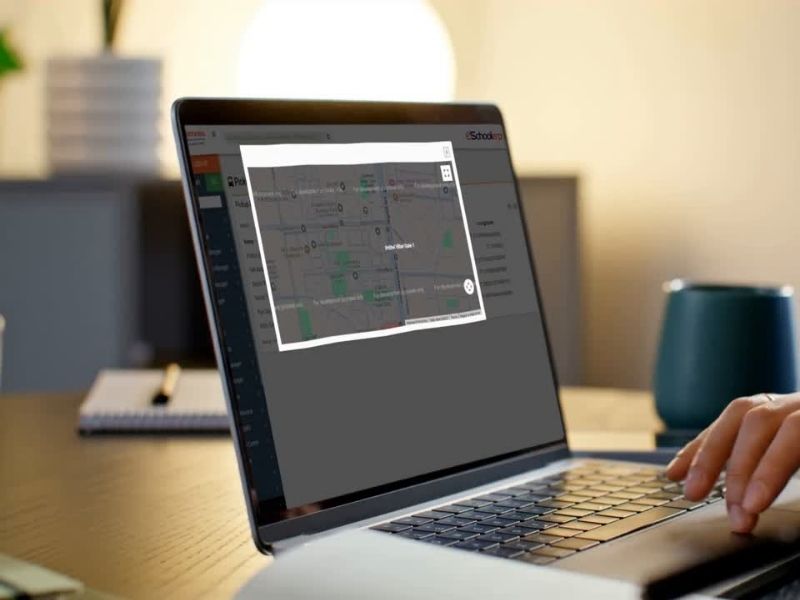
Next, schools should look at how well the solution integrates with their School ERP and existing digital systems. A connected platform saves time, reduces manual work, and improves reporting. It is also important to check whether the provider offers role-based access, clear analytics, and simple onboarding for teachers.
Another major factor is adoption. Even the best content will fail if teachers find it difficult to use. That is why the provider should offer training, support, and a smooth implementation process. Schools should ideally start with a pilot batch, test the impact, gather feedback, and then scale gradually.
K-12 content in India has become a strategic investment for schools that want to improve learning outcomes, strengthen parent trust, and stay relevant in a digital-first education environment. The right solution should do more than deliver lessons. It should connect content, teaching, assessments, and reporting into one system that actually supports school growth.
Schools that choose wisely will not only improve academic performance but also save time, increase engagement, and build a stronger learning culture. If your school is planning to upgrade its digital learning setup, the best approach is to start small, measure impact, and scale with confidence.

Infomuse specializes in IT services, consulting, and business solutions. With seamless integration and exceptional customer experiences, we add value to every facet of your business.